From foundation cracks to hidden moisture — the inspection items that catch buyers off guard in OC, and how to prepare before contingency expires.
- ▸Electrical panel brand and age matter more than panel size on OC tract homes
- ▸Sewer scope is non-negotiable on anything built before 1990
- ▸Drywood termite activity is functionally universal in older coastal framing
- ▸Don't skip the attic walk — it's where the most consequential findings live
Most Orange County escrows close with the buyer signing off on a 60-page inspection report they barely had time to read. Don't be that buyer. The contingency period is short, the seller's clock is ticking, and the cost of missing something is measured in five figures. Here are the ten items that consistently surprise OC homebuyers — and how to prepare your questions before the inspection so you walk away with answers, not anxiety.
1. The electrical panel brand
Federal Pacific Stab-Lok and Zinsco panels are still in service in thousands of OC homes built between 1960 and 1980. Both have well-documented failure modes — breakers that don't trip during a fault, bus bars that arc internally — and most insurers either won't write new policies on homes with them or require immediate replacement. Panel size (60/100/150/200 amp) matters less than brand. If your inspector flags either of those brands, you're looking at a $2,500–$5,000 replacement, and that's worth a credit at the negotiation table.
2. The sewer line
A standard home inspection cannot see the buried sewer lateral. Most OC homes built before 1990 are on clay or cast-iron pipe — both are at or past useful life. We've documented hundreds of failing laterals across Cypress, Westminster, Anaheim, and Long Beach. Repair runs $4,000–$25,000+ depending on length, depth, and whether excavation crosses hardscape. Always add a
sewer scope inspection to any home inspection on a pre-1990 property. A 30-minute scope can rewrite a deal.
3. The roof's actual age (not what the listing says)
Composition shingle roofs typically last 20–25 years in OC. Tile roofs themselves last 50+ years, but the underlayment beneath them only lasts about 25. Many 1990s OC tracts are now in the underlayment-replacement window — that's $15,000–$30,000 on a tile roof. Ask the inspector for installation-era estimate, not just "looks fine."
4. The slab
Almost every OC home is slab-on-grade. Hairline cracks are nearly universal and almost always cosmetic. Larger cracks (≥1/8 inch wide, vertical displacement, or any moisture wicking) warrant a structural engineer's opinion. Don't let an inspector hand-wave this; you want a measured photo with a finding rating.
5. The attic
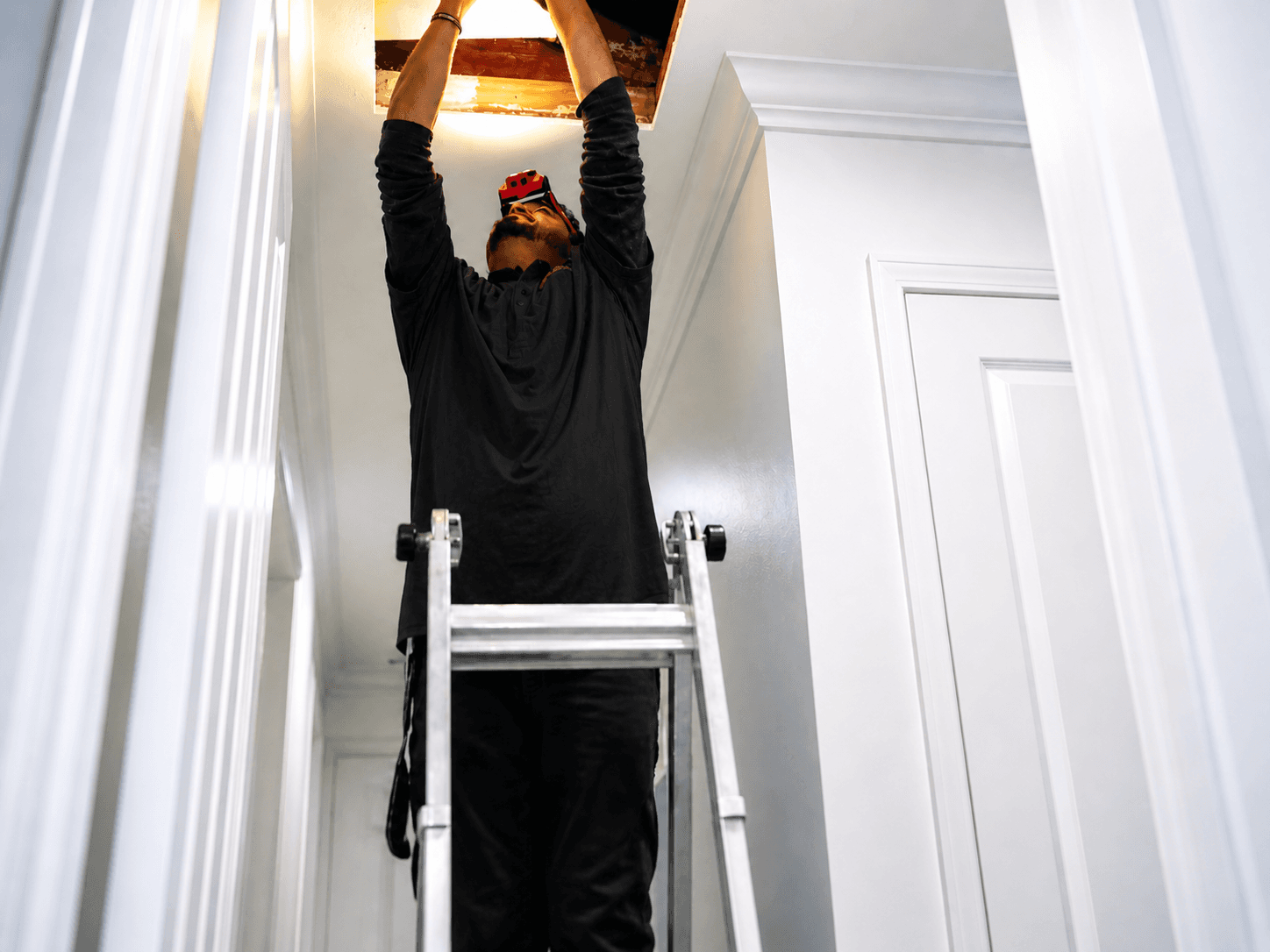
The attic is where the most consequential findings live: prior water intrusion, active leaks, undersized or stripped insulation, improper electrical splices, rodent activity, and drywood termite frass. If your inspector hasn't been in the attic, they haven't really inspected the house. Ask for attic photos in the report.
6. The HVAC age and capacity
An HVAC condenser's data plate has a manufacture date. Furnaces same. Capacity (tonnage) needs to match the square footage and exposure. Many newer Irvine and Lake Forest tracts have undersized HVAC for the south-facing summer load — a known issue we flag regularly.
7. Drywood termites
Coastal OC properties — anything within ~10 miles of the beach — almost always show some drywood termite activity in attic framing or visible eaves. A clean Section 1 termite report on a 60-year-old Newport Beach home is not realistic. Knowing what's active vs. historical matters enormously to lenders.
8. Moisture intrusion patterns
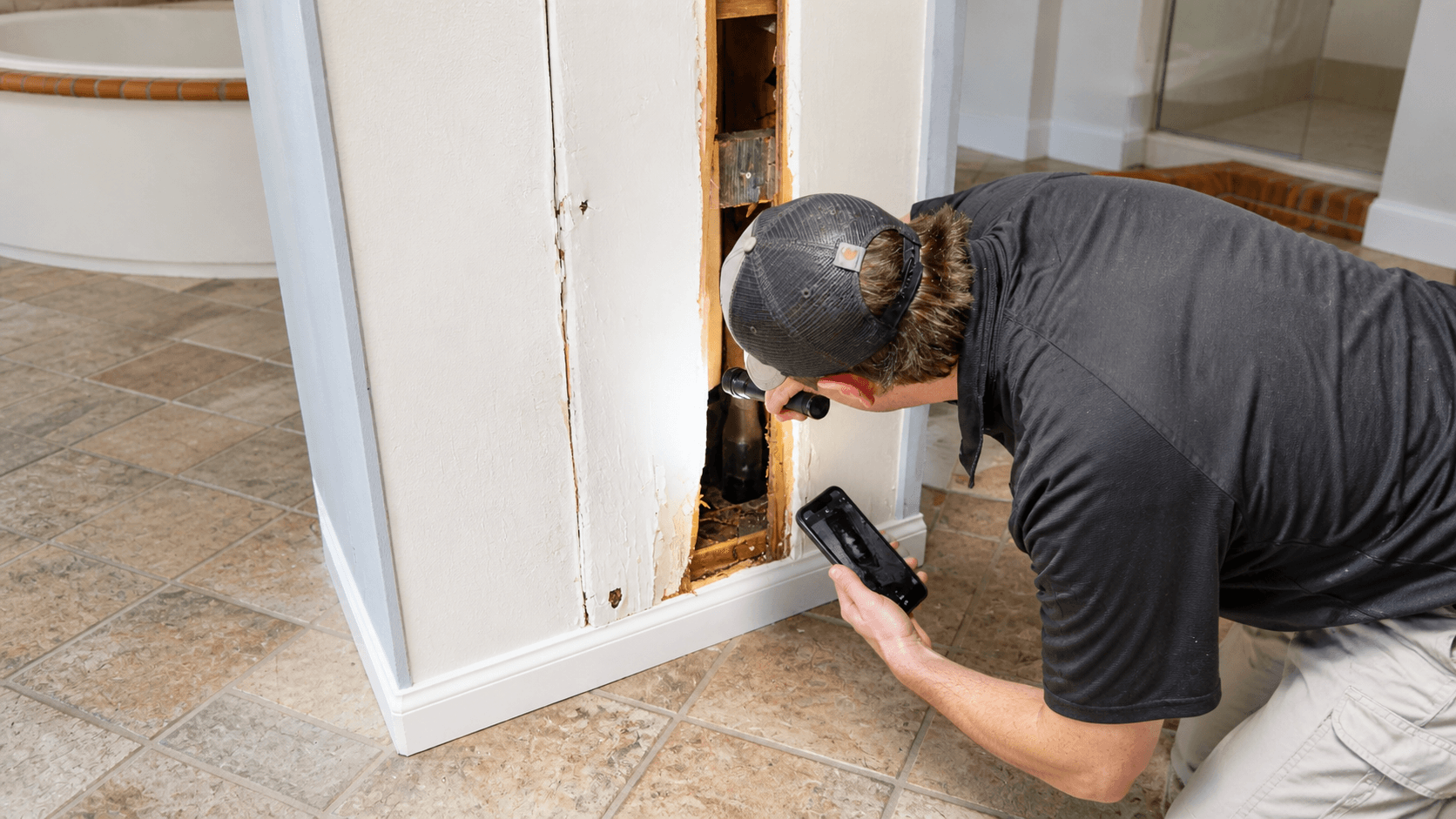
Coastal humidity, slab construction, and aging plumbing combine to make hidden moisture one of the most common findings on OC inspections. Thermal imaging and moisture meters are not optional — they're the only way to map wall-cavity moisture you can't see. If the home has had any past water event, request
mold and indoor air quality testing as a separate scope.
9. The water heater
Water heaters have a 10–15 year useful life and a data-plate manufacture date that tells the truth. If the home has a tank water heater built before 2012, plan for replacement — and budget the earthquake strap, expansion tank, and seismic shutoff valve that California now expects.
10. Permits for additions
Older OC neighborhoods — Westminster, parts of Anaheim, Santa Ana — have a lot of owner-completed additions, garage conversions, and ADU work that was never permitted. Inspectors document what they see and flag work that appears unpermitted. The follow-up is yours: city records, agent due diligence, or a permit history pull through escrow.
If you're inspecting in a specific city, our city pages cover the typical findings by neighborhood — see Anaheim, Irvine, or Los Angeles for examples.
How to use this list
Print the ten items. Bring them to the inspection. As your inspector works through the property, ask about each one. Take notes. Most inspectors will be glad you came prepared — and the report you walk away with will be sharper for it. If your inspector pushes back on any of these, that's worth a second opinion.