California's Safer From Wildfires regulation gives insurers a list. Here's the practical version — what to harden first if you live in a Hazard Severity Zone.
- ▸California's Safer From Wildfires regulation requires admitted insurers to credit specific mitigation measures
- ▸Class A roof, ember-resistant vents, and 0–5 ft clearance produce the largest insurance gains
- ▸Anaheim Hills, Mission Viejo, Yorba Linda, and Chino Hills have widespread VHFHSZ exposure
- ▸A documented inspection report is the artifact carriers actually want
If you live in an inland or hillside Orange County neighborhood — Anaheim Hills, Yorba Linda, Mission Viejo, Coto de Caza, Chino Hills — your home insurance is increasingly conditional on home hardening. Several admitted carriers have non-renewed policies across these zones, and the California FAIR Plan has become the underlying coverage for a growing share of canyon properties. Here is what carriers actually want documented, ranked by what produces the largest premium impact.
Start with the policy: Safer From Wildfires
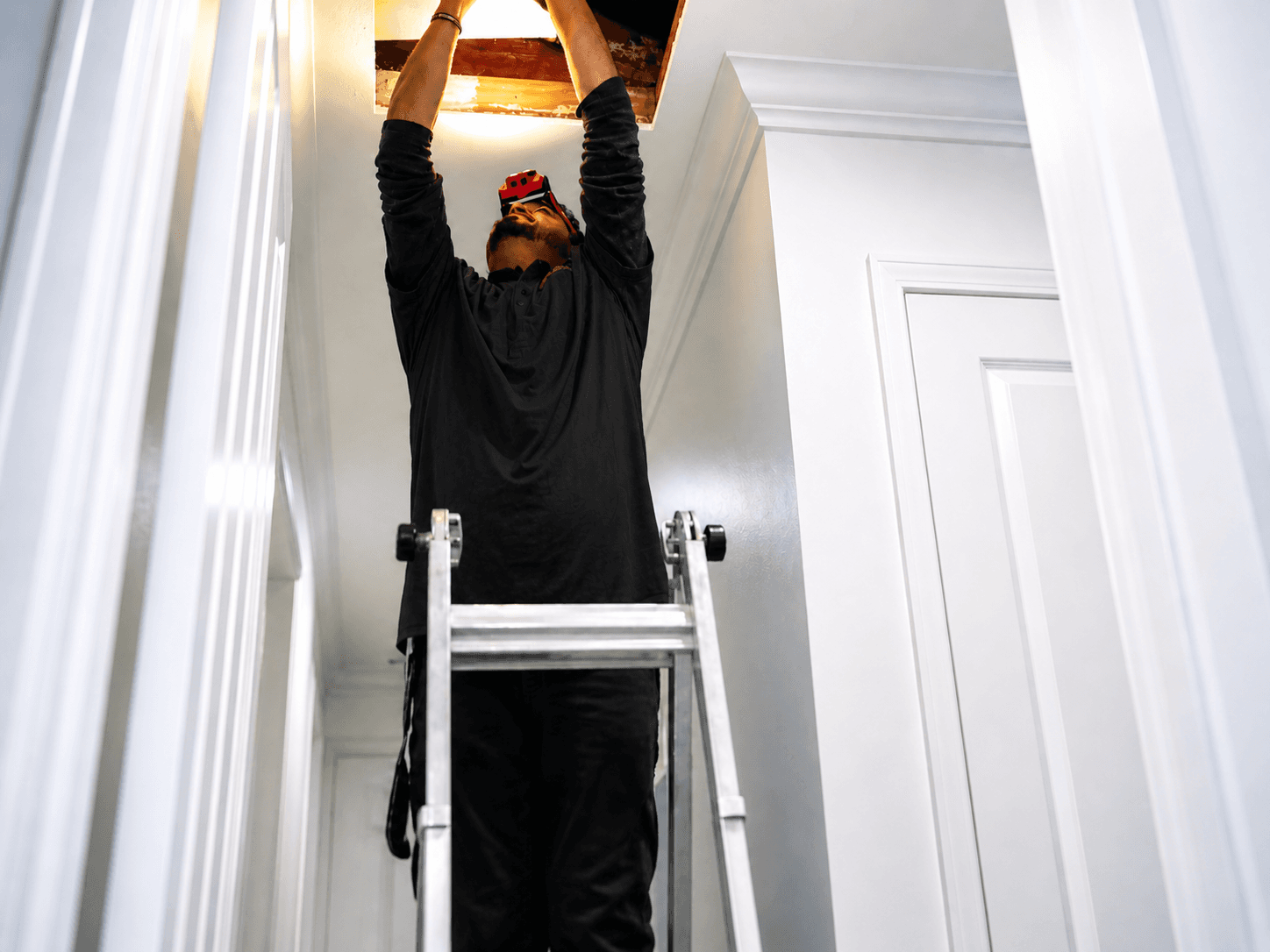
California's Safer From Wildfires regulation, finalized in 2022, requires admitted insurers to give credit for specific mitigation measures. It's not a single discount — it's a set of itemized credits, each of which the carrier must apply when verifiable. Our wildfire mitigation inspection documents to this exact standard.
Tier 1 — the credits that move the needle most
Class A roof covering
Roof material drives the largest portion of structural wildfire risk. Class A — concrete tile, clay tile, metal, or asphalt composition rated Class A — is the baseline expectation. Wood shake roofs are essentially uninsurable in current California fire-zone underwriting.
Ember-resistant attic and crawl-space vents
Embers entering attics through soffit and gable vents are the most common ignition pathway in modern wildfires. WUI-compliant ember-resistant vents (Brandguard, Vulcan, O'Hagin) are a $200–$600 fix per opening and one of the highest-ROI hardening measures available.
0–5 ft non-combustible clearance
California regulations now require a non-combustible 0–5 ft clearance zone around the structure — no wood mulch, no juniper, no fences attached to the home, no woodpile against the wall. This zone alone produces meaningful insurance credit on most policies.
Tier 2 — high-value, less universal
- Multi-pane tempered windows (single-pane glass shatters under radiant heat well before structure ignition)
- Enclosed eaves with non-combustible soffits
- Fire-rated siding within 5 ft of the structure perimeter
- Non-combustible deck construction within 10 ft of the home
- Defensible-space maintenance in the 5–30 ft and 30–100 ft zones per Cal Fire
Tier 3 — the items that earn IBHS Wildfire Prepared Home designation
The IBHS Wildfire Prepared Home program is the highest-standard residential wildfire designation in the country. Carriers that recognize IBHS apply additional credits, and some non-admitted carriers reserve preferred underwriting for IBHS homes. Achieving designation usually requires the full Tier 1 + Tier 2 list, plus exterior wall continuity and specific ember-resistant detailing.
Which OC neighborhoods need this most
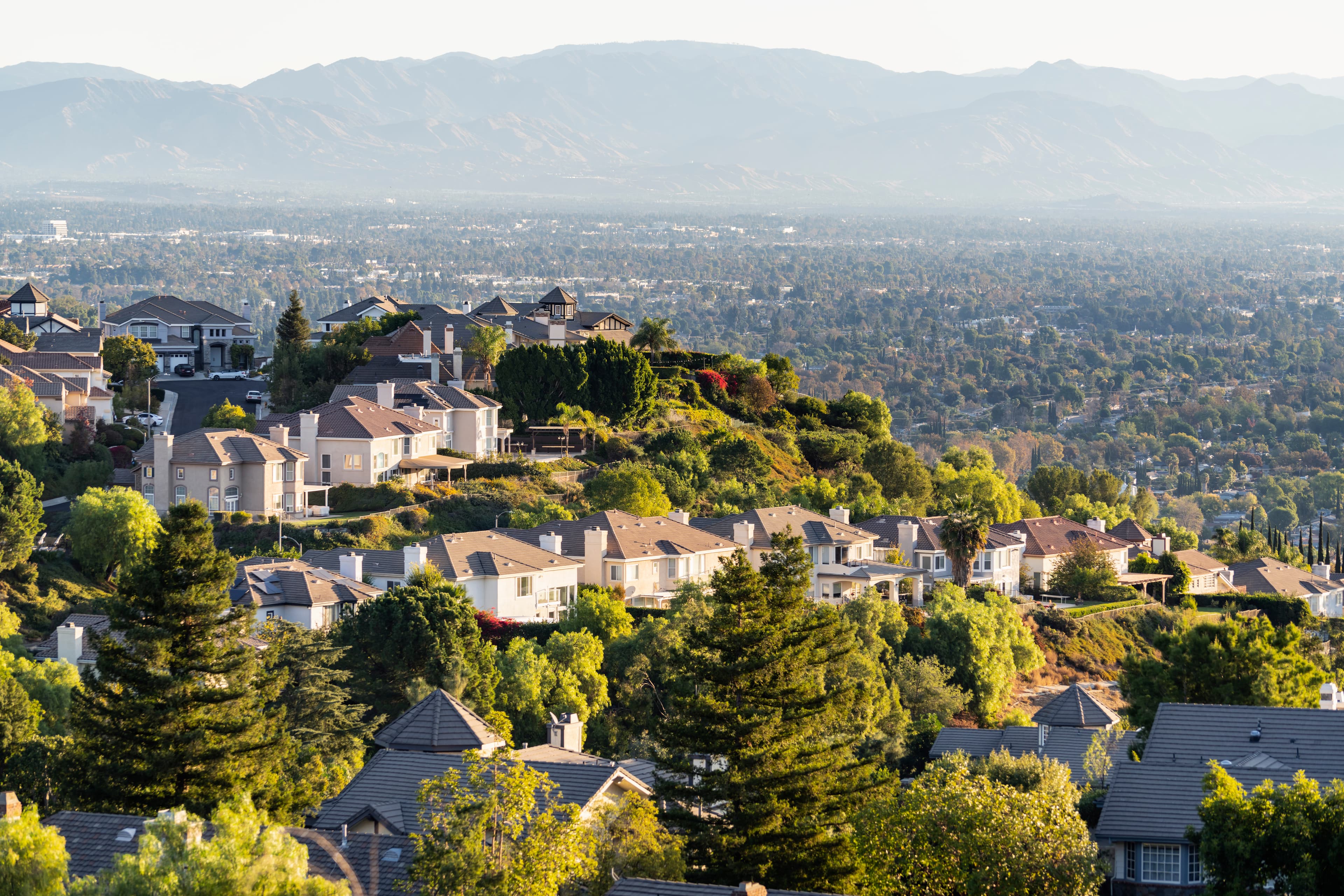
Cal Fire's Fire Hazard Severity Zone map is the source of truth. Within OC, the most-affected neighborhoods include Anaheim Hills (much of east Anaheim is Moderate–Very High), Yorba Linda's eastern parcels toward Brea and Coyote Hills, Mission Viejo's Pacific Hills and Aurora Heights, Coto de Caza, and the higher elevations of Rancho Santa Margarita. In San Bernardino County, the western Chino Hills ridge and Carbon Canyon are entirely in VHFHSZ.
If you're a homeowner in any of these areas, our wildfire mitigation inspection documents your home against the exact criteria carriers use. We also produce reports formatted to support California FAIR Plan applications and IBHS designation submissions.
What insurers do NOT credit
Carriers ignore several things people assume are credited. Self-reported inspections don't count — only documented work by a qualified third party. "I cleared the brush" doesn't qualify if there's no maintenance record. Smart-home fire detection (Nest, Ring) doesn't move the needle. Sprinkler systems do, but they need to be NFPA-13D certified and inspected.
The inspection report as artifact
When you call your carrier, what they want is a third-party report showing the home's compliance against Safer From Wildfires or IBHS. Photos, measurements, dates, inspector credentials — all in one document. Many homeowners win renewal, restore policies after non-renewal, or move from FAIR Plan back to standard market based on a single well-documented mitigation inspection.
Mission Viejo and Chino Hills residents have seen the highest non-renewal rates in our service area. A $495 inspection paid for itself within a single billing cycle for several of our 2025 clients.
Order of operations
If you're starting from zero: (1) confirm your Fire Hazard Severity Zone designation, (2) schedule a mitigation inspection before doing any work — so you know exactly which items you're missing, (3) tackle Tier 1 items first, (4) document each completed item with photos and contractor receipts, (5) submit the documented report to your carrier. For homes in Mission Viejo, Anaheim, and Yorba Linda, this is now standard pre-renewal practice.